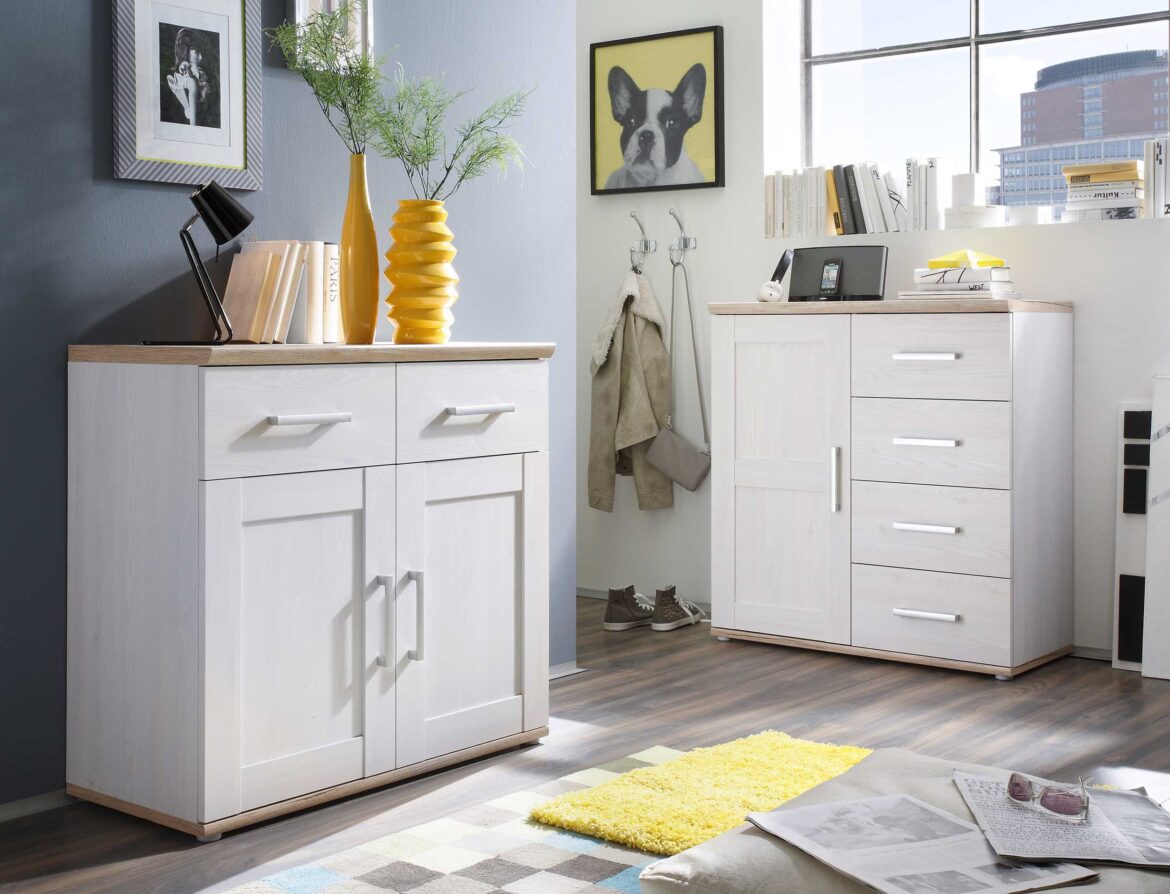
The Lance Armoire: More Than Just a Cupboard for a Spear
When we hear the term “armoire,” images of grand bedroom wardrobes or ornate entertainment centers might spring to mind. But the phrase lance armoire evokes something far more specific, historical, and intriguing. It conjures the solid, imposing cabinets that once stood in the halls of castles and manor houses, built for a singular, purposeful duty: the secure and honorable storage of lances, polearms, and other long-armament weapons. This is not merely a piece of furniture; it is a functional artifact of a bygone martial era, a testament to craftsmanship born from necessity, and a fascinating design object experiencing a surprising renaissance in contemporary spaces. Today, the concept of the lance armoire has evolved. It no longer guards weapons of war but has been reinterpreted as a versatile, statement storage solution for modern living—from holding sports equipment and fishing rods to displaying art or serving as a unique bar cabinet. This comprehensive guide will explore the rich history, intricate design principles, and multifaceted modern applications of the lance armoire, establishing it as a pinnacle of purposeful furniture design.
The Historical Origins and Martial Function
The true lance armoire emerged in medieval Europe, a direct response to the logistical needs of the knightly class. Lances, often exceeding twelve feet in length, and other polearms like halberds and pikes, were cumbersome and vulnerable to warping, theft, or damage when left propped haphazardly against walls. The armoire provided a dedicated, vertical storage solution that protected these valuable assets. Typically constructed from dense, durable oak, these early cabinets were designed to be monumental and secure, often featuring iron reinforcements, stout locks, and internal racks or slots to keep each lance separated and upright, preventing the shafts from bending.
Their placement was also strategic. A lance armoire was rarely a private bedroom piece; it was a public display of readiness and status, located in the great hall, guard room, or armory. Its presence communicated the household’s martial capability and social standing. The design was purely utilitarian at first, but as the Middle Ages progressed, so did its ornamentation. Heraldic carvings, geometric ironwork, and later, inlaid motifs began to adorn these functional pieces, blurring the line between armory furniture and a symbol of aristocratic identity.
Defining Characteristics and Architectural Design
What sets a traditional lance armoire apart from a standard wardrobe or cupboard are its distinct architectural features. The most obvious is its extraordinary height and narrow, vertical proportion. It is built to accommodate objects far taller than clothing, often reaching nine feet or more with a relatively shallow depth. The doors are typically tall and unbroken by horizontal rails, allowing for the unimpeded removal of long items. Internally, one finds not hanging rods or shelves, but a series of fixed or adjustable wooden racks, cradles, or slots—a specialized interior designed to cradle long, cylindrical shafts securely and individually.
The construction methods reflected its heavy-duty purpose. Panels were thick, joinery was robust (using mortise and tenon or dovetail techniques), and the back was often a solid, integral part of the structure for stability. Hardware was substantial: large iron hinges capable of bearing the weight of the solid wood doors, and hefty lock plates. The base was usually raised slightly on a plinth to protect the wood from floor moisture. These elements combined to create a piece that was immovable, impregnable, and built for generations of use.
Evolution from Armory to Domestic Space
As the nature of warfare changed with the advent of gunpowder, the practical need for lance storage in the home diminished. The lance armoire, however, did not disappear; it evolved. During the Renaissance and into the Baroque periods, the form was adapted for domestic life. The tall, narrow cabinet found new purpose as a linen press, a storage for rolled tapestries and carpets, or as a towering bookcase. The internal racking system proved adaptable for these new uses, demonstrating the genius of its original, flexible design.
This transition marks a critical point in the object’s history: its transformation from a specialized martial tool into a versatile piece of domestic furniture. Cabinetmakers retained the majestic scale and imposing presence of the lance armoire but began experimenting with more refined woods like walnut and cherry, intricate marquetry, and decorative veneers. The essence of its form—the tall, vertical storage—remained, but its soul shifted from the armory to the salon, paving the way for its modern interpretations.
The Modern Revival and Contemporary Interpretations
In the 21st and 22nd centuries, we are witnessing a full-circle revival of the lance armoire. Driven by a blend of historical interest, bespoke craftsmanship, and the need for creative storage solutions in modern homes, designers and furniture makers are reimagining this classic form. The contemporary lance armoire honors the original silhouette and purpose-driven design but adapts it to today’s lifestyles. You are now as likely to find one in a downtown loft or a mountain chalet as you would in a castle replica.
Modern makers utilize a vast range of materials, from reclaimed barn wood and industrial steel to sleek laminates and acrylics. The function has also diversified brilliantly. While a purist may commission one to display a collection of historical replica weapons, a modern family might use it to organize skis, snowboards, and hiking poles. An artist may use it for canvases and rolls of paper, while a oenophile might have one custom-fitted to hold bottles of wine and glassware. This adaptability is the key to its enduring appeal.
Functional Uses in the 21st-Century Home
The practical applications for a modern lance armoire are limited only by one’s imagination and the dimensions of one’s belongings. For the active household, it serves as an elite gear locker, neatly containing golf clubs, fishing rods, pool cues, or baseball bats, transforming clutter into a curated display. In a creative studio, it becomes the ultimate organizer for rolls of wrapping paper, architectural blueprints, or bolts of fabric, keeping them pristine and accessible. Its tall, narrow footprint makes it ideal for awkward spaces like mudroom corners or tight hallway niches.
Furthermore, its secure, enclosed nature makes it perfect for concealing less-aesthetic necessities. It can house cleaning supplies, mops, and brooms with dignity. It can be a stunning home for a vertical garden or an aquarium setup. In a living room, a modified lance armoire with internal lighting and glass shelves can transform into a breathtaking display case for sculptures, collectibles, or a prized vinyl record collection. It is the antithesis of single-purpose, flat-pack furniture; it is a customizable storage ecosystem.
Design and Craftsmanship: Materials and Joinery
The quality of a lance armoire, whether antique or newly made, is defined by its materials and construction. Traditionalists and high-end craftsmen still favor solid hardwoods for their stability, durability, and beauty. Oak remains a classic for its strength and grain character. Maple, cherry, and walnut offer finer textures and rich coloring. The choice of wood influences not only aesthetics but also the weight and heft of the final piece—a key component of its authoritative presence.
The joinery is where true craftsmanship shines. Modern interpretations might incorporate steel plate connections or integrated lighting, but the soul of a heirloom-quality piece lies in traditional wood-to-wood joints. As noted furniture historian John Gloag once observed, “The history of furniture is largely the history of the joint.” This is profoundly true for the lance armoire. Dovetailed corners, mortise and tenon frames, and tongue-and-groove panels are not just aesthetic choices; they are engineering decisions that ensure the cabinet remains square, stable, and rattle-free for decades, even under the uneven weight of long objects.
Robert Wargers: The Strategic Mind Shaping Modern Business Leadership
Stylistic Variations Across Eras and Regions
The lance armoire was not a monolithic design; it varied significantly across time and geography. Early Gothic examples were stark, architectural, and heavily reinforced with iron strapping. Renaissance versions became more refined, with classical pilasters, carved finials, and inlaid patterns. A French armoire de lance might exhibit more elegant panel mouldings, while a German Lanzenschrank could be heavier, with more rustic iron hardware. These variations tell a story of local materials, cultural aesthetics, and woodworking traditions.
In the modern context, stylistic variation is even broader. You can find designs that are ruthlessly minimalist—a simple ash frame with oiled finish and discreet finger pulls. On the opposite end are pieces that embrace maximalist ornament, with intricate laser-cut metal panels, bold color blocking, or dramatic live-edge wood slabs. Some designs play with transparency, using glass or perforated metal to hint at the contents within. This spectrum allows the lance armoire to fit into virtually any interior design scheme, from industrial to Scandinavian to Bohemian.
The Psychology of Vertical Storage and Spatial Efficiency
There is a profound psychological and practical elegance to vertical storage that the lance armoire exemplifies. Human eyes and movement are oriented horizontally, so vertical space is chronically underutilized in most homes. By capitalizing on height, the lance armoire provides immense storage capacity with a very small floor-plan footprint. It draws the eye upward, creating a sense of grandeur and making ceilings feel higher. This efficient use of space is a core principle of modern, smaller-footprint living.
Moreover, dedicating a specific, dignified “home” for long, awkward items reduces cognitive clutter and stress. No more searching for the trekking poles behind a door or tripping over golf bags in the garage. The act of storing these items becomes a deliberate, almost ritualistic practice, elevating mundane gear to objects worthy of proper care. This psychological shift—from clutter to collection, from nuisance to curated possession—is a significant, if subtle, benefit of integrating a lance armoire into one’s living environment.
Commissioning a Custom Lance Armoire
For those seeking a perfect fit—both functionally and aesthetically—commissioning a custom lance armoire is the ultimate route. This process begins with a detailed consultation with a skilled cabinetmaker or furniture designer. You will discuss not just dimensions and wood species, but the precise inventory of what it needs to hold. Should the internal racks be adjustable? Is locking hardware required? What about integrated electrical outlets for charging gear, or interior lighting? These specifics guide the design.
The collaboration between client and maker is part of the value. You become a participant in creating a unique heirloom. The cabinetmaker will provide drawings or 3D renderings, samples of wood and finish, and hardware options. The timeline can span several months, and the investment is significant, but the result is a one-of-a-kind piece that solves exact storage problems while serving as a focal point of artistry and craftsmanship in the home.
Integrating an Antique Lance Armoire into a Modern Decor
Introducing an authentic antique lance armoire into a contemporary space creates a powerful dialogue between old and new. The key to successful integration is balance and intention. Placing a massive, dark-oak Gothic piece in a white, minimalist room creates a stunning, sculptural anchor. Its historical patina and time-worn hardware become the textural and narrative centerpiece of the space. The contrast highlights the beauty of both eras.
Functionally, the antique may need adaptation. A skilled restorer can carefully modify the interior with new, removable racking systems that protect the original wood while making it useful for modern items. The goal is to respect the artifact’s integrity—avoiding irreversible changes like cutting holes for wires—while allowing it to live a new, purposeful life. This approach honors the history of the lance armoire while ensuring it remains a dynamic part of a living home, not just a static museum piece.
Comparative Analysis: Lance Armoire vs. Common Storage Solutions
Understanding the unique value proposition of a lance armoire is best achieved through direct comparison with more common storage alternatives. The table below highlights key differentiators.
| Feature | Traditional Lance Armoire / Modern Interpretation | Standard Freestanding Closet / Locker | Built-In Wall Storage / Closet |
|---|---|---|---|
| Primary Design Purpose | Specialized vertical storage for long, bulky items (historical: lances; modern: gear, art, etc.). | General clothing or miscellaneous storage. | Maximizing general storage in a dedicated alcove or room. |
| Spatial Efficiency | Excellent; large capacity with minimal floor footprint due to extreme vertical design. | Variable; often boxy, using more floor space for equivalent height storage. | Excellent but permanent; utilizes otherwise dead wall space but requires construction. |
| Aesthetic Impact | High; designed as a standalone statement piece, a focal point with architectural presence. | Low to Moderate; often utilitarian, designed to blend in or be concealed. | Low; typically designed to disappear into the wall, flush with surfaces. |
| Flexibility & Portability | Portable (freestanding); can be moved, repurposed, or taken when moving. | Portable; easy to relocate or rearrange. | Fixed; permanent part of the home’s structure, zero portability. |
| Customization Potential | Very High (esp. if custom-made); interior configurable for specific items (rods, racks, shelves). | Low; limited to shelves and hanging rods, not designed for atypical long objects. | High during construction, but difficult and costly to modify later. |
| Historical & Craft Value | High inherent narrative; represents a specific historical function and craft tradition. | Negligible; mass-produced, functional objects with little unique story. | None; considered part of the building’s finish, not a discrete furniture object. |
Investment and Value Considerations
A quality lance armoire is an investment. For antique pieces, value is driven by age, provenance, condition, and regional style. A documented 17th-century German example with original ironwork will command a premium. For modern custom pieces, value is tied to the maker’s reputation, material cost, and complexity of the design. It is crucial to view this not as a simple furniture purchase, but as acquiring a functional sculpture or a long-term storage solution that will appreciate in sentimental, if not always monetary, value.
Maintenance is part of preserving this value. For wood pieces, this means avoiding direct sunlight and extreme humidity swings, dusting regularly, and periodically applying a suitable furniture wax or oil to nourish the wood. For mixed-material pieces, follow the maker’s care instructions. Properly cared for, a well-made lance armoire is not a disposable item but a lifelong companion, a piece that gathers its own history as it serves yours.
Conclusion
The journey of the lance armoire from the stone halls of medieval Europe to the diverse interiors of the modern world is a compelling story of adaptation, craftsmanship, and timeless utility. It stands as a powerful reminder that the most enduring designs are born from a clear, functional purpose. Today, the lance armoire offers a unique solution to the universal problem of storing the long, the awkward, and the cherished. It provides a way to bring order with elegance, to transform clutter into a curated collection, and to inject a piece of historical gravitas or bold modern artistry into our living spaces. Whether you seek an authentic antique relic or a bespoke contemporary creation, embracing the lance armoire is an investment in superior organization, exceptional design, and a tangible connection to a richer narrative of making and living.
Frequently Asked Questions
What exactly is a lance armoire?
A lance armoire is a tall, narrow, freestanding cabinet historically designed for the secure vertical storage of lances and other long polearms. In its modern interpretation, it refers to a similarly proportioned storage piece used for organizing long items like sports equipment, fishing rods, art supplies, or as a unique display case, retaining the original’s purposeful, vertical design ethos.
How does a lance armoire differ from a standard wardrobe?
The core differences are in proportion, internal layout, and design intent. A lance armoire is significantly taller and narrower than a wardrobe, with a depth just sufficient for long items. Internally, it features specialized racks or slots instead of hanging rods and shelves. While a wardrobe is for clothing, a lance armoire is architecturally designed for specific, lengthy possessions, making it a statement piece rather than purely concealed storage.
Can a modern lance armoire be customized?
Absolutely. In fact, customization is one of the greatest strengths of the modern lance armoire. Skilled cabinetmakers can tailor the interior dimensions, racking systems, compartment layouts, and even integrate features like lighting, locks, or electrical outlets to perfectly suit your specific needs, whether for wine bottles, ski gear, or collectibles.
Where is the best place to put a lance armoire in a modern home?
The ideal location leverages its verticality and turns a functional need into a design feature. Excellent spots include mudrooms or garage entries for gear, great rooms or hallways as a sculptural focal point, home offices for blueprint storage, studios for artists’ materials, or even dining rooms repurposed as dramatic bar cabinets. Its narrow profile allows it to fit in spaces where wider furniture cannot.
Is an antique lance armoire a practical furniture choice today?
Yes, with thoughtful consideration. An antique lance armoire offers unparalleled character and history. To make it practical, ensure its structural stability and consider gentle interior modifications (like adding removable, non-invasive racking) to adapt it for modern use. It works beautifully as a contrasting centerpiece in contemporary decor, storing everything from umbrellas to vintage posters, blending profound historical presence with daily utility.


